What People Say
Hard work should be rewarded by good food.
Ken Follett
There is no sincere love than the love of food.
George Bernard Shaw
Never eat more than you can life.
Miss Piggy
Sleep’s Influence on Diet
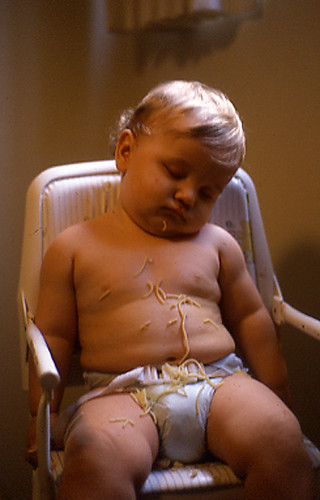
Do YOU get enough sleep? — Read on to find out about how less sleep encourages snacking
Have you ever pulled an all-nighter up late studying for a test the next morning, only to crave fast food and junk food the following day? Our body craves unhealthy treats packed with sugar because our body uses this as a coping mechanism when we run on little to no sleep.
Based on several studies conducted over the last decade, eating patterns are affected when we don’t get enough sleep.
Sleep-Deprived? Failure to thrive
A study was done where one group was sleep-deprived while the other group got a normal amount of sleep each night. Results found that the sleep-deprived group was more likely to choose unhealthy food items, even though the level of hunger was the same.
Being sleep-deprived causes you to choose more unhealthy foods, including foods high in fat and sugar.

Simon Says… Sleep says…
Another study was done to determine if food choices can be predicted based on sleep. Students in the Netherlands were asked to drop 2 hours from their average sleeping habits at night. Then, they were tested in the morning to determine their level of sleepiness.
Results found that the sleep-deprived students were more likely to choose high-fat foods throughout the day, and more likely to choose foods packed with sugar in an effort to gain more energy to get them through the day.
The more sleep-deprived you are, the more likely you are to snack more often.
Sleeping vs Snacking
Another study in the UK measured adult participants’ height, weight and blood pressure to pre-determine health factors.
People were asked to complete food diaries weekly that recorded how much they slept and ate.
Results from the study showed that the longer one slept, the smaller their BMI was. One additional hour of sleep was linked to 0.50kg lower BMIs in each person.
Getting more sleep is linked to a smaller waist circumference.
The study also linked more sleep to lower CRP hormones (hormones responsible for many metabolic diseases such as diabetes). These diseases can occur when CRP hormones become skewed, as a result of an unhealthy diet.
The more sleep a person gets per night, goes hand in hand with a smaller BMI and less metabolic diseases such as diabetes in the future.
Sleeping vs. Snacking
The more sleep you get each night, the healthier you are likely to be. Sleep and diet have been scientifically shown to be interconnected.
 Why We Eat What We Eat