Food And Mood
“Fruits-DSCF0899.jpg” by Attebys
The Nasty Cycle
From Mood to Food and Back
Our food choices are greatly impacted based on our body’s mood.
The brain sends signals when we are sad or happy, telling us what foods to choose based on our mood. People tend to eat foods high in fat and foods high in sugar and they snack more often when they are sad.
When people are happy, people choose healthier food options and snack less often. Science has found that our mood can affect food choices due to stress, brain signals, and mental illness.
From Food to Mood
On the other hand, science has also determined that food choice can affect mood as well.
For example, if we choose a food item that we don’t like or that tastes bad, this can put us in a bad mood. Our brain receives sensory information through the taste buds in our mouth. If we eat a food item that tastes good or that we love, this can put us into a good mood.
A Never Ending Cycle
The cycle from mood to food and food to mood repeats itself numerous times. If you are tired and crave sweets, you’re probably going to give in to your cravings and eat a chocolate bar. This is an example of mood affecting food.
On the other hand, after eating a chocolate bar, the sugar makes you feel guilty and bloated which can put you in a bad mood. This is an example of food affecting mood. The cycle repeats itself until we choose to put an end to it.
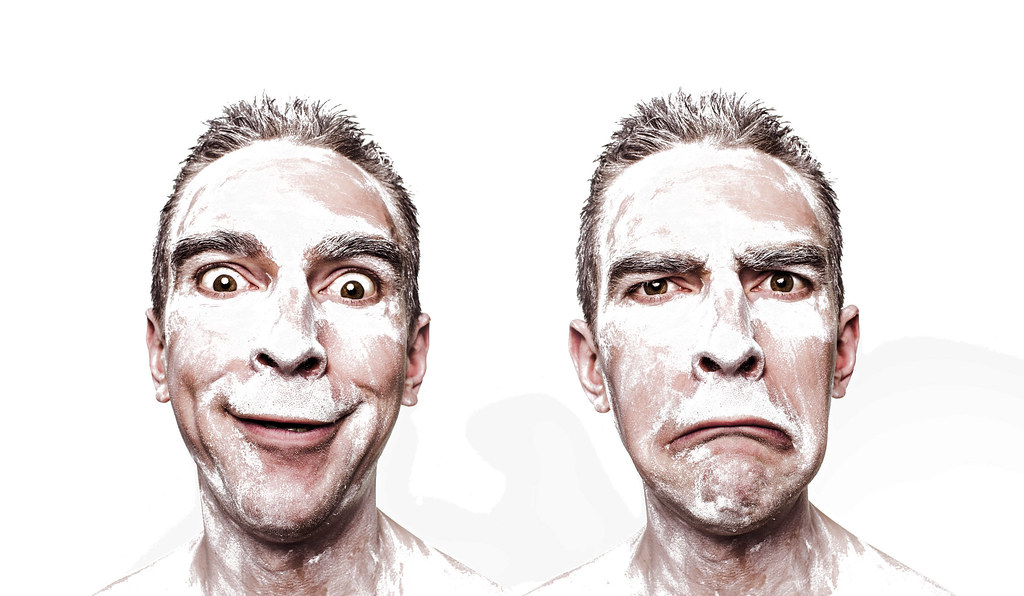
Are You an Emotional Eater? Watch out, your health may be at risk
Science says your health may be at risk if you consider yourself a “snacker.”
Pleasant vs. Unpleasant Emotions
A study was done looking at the relationship between food and mood. People were asked to rate the food quality using descriptions and questions regarding their mood level before and after eating the food.
Results found that pleasant emotions occurred more often than unpleasant emotions after eating certain foods. Satisfaction, enjoyment, and desire were listed more often. Negative emotions, like disappointment and dissatisfaction were listed much less often.
Food has a huge impact on the way our body feels and the mood we fall into.
The Bad Brain
The brain tells our body what food choices to make. These brain signals change depending on the mood we are in. Negative emotions can be used as a coping mechanism with food. Food releases serotonin, relaxing our brains and making us feel happy.
Next time you’re in a bad mood, try eating some foods high in fat to help your body relieve stress. Just don’t make it a habit!
Cravings
Science shows that our brain sends signals to the body when it is hungry or craving a specific food item.
Although some people are better than others at giving into cravings, our brain will never stop craving food items because it is wired to crave foods we have previously eaten!
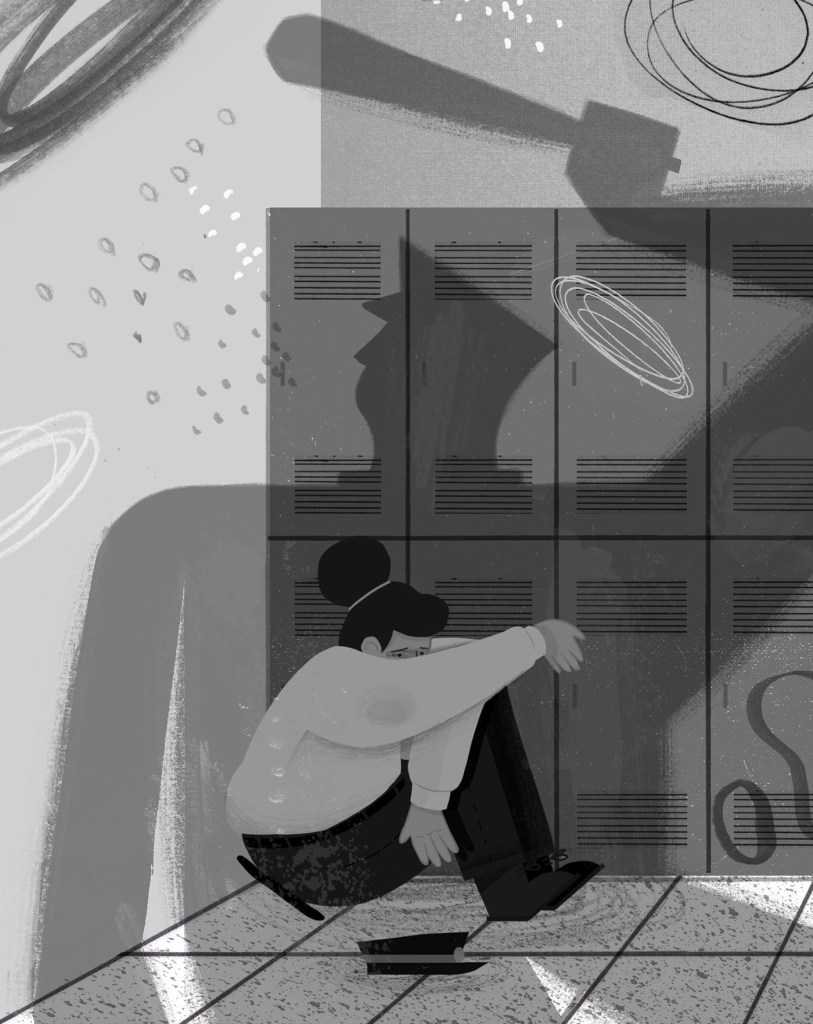
Stressed Spelled Backwards is Desserts!
Have you or someone you know ever been diagnosed with a mental health disorder? Psychologists have found that food choices vary based on depression, prolonged stress, and/or other mental illnesses.
Stress among foods have an influence on our body’s mood, impacting what food choices we make everyday.
Stressed Out
Results found that fatty foods help to relieve stress. When we are stressed, we want to eat foods higher in fats and carbs. When we are in a good mood, we eat foods higher in protein and vitamins. No wonder stressed spells desserts backwards!
A Sadness Buffet
A study was done with undergraduate students, where people were asked to read or listen to a series of sad stories. Others were asked to read or listen to neutral stories. Then, they were provided a buffet style lunch in order to determine if food choice was influenced based on the sad stories versus neutral stories.
High-Calorie Sadness
Results showed that there was in fact a pattern between diet and mood. Those who had been clinically diagnosed with obesity showed an increase in how much food they ate. They chose more high-calorie foods after being exposed to sad stories.
Energy Efforts
For those who had been clinically diagnosed with depression, foods packed with energy were chosen more often compared to those who showed no depression symptoms. Participants who had been read the sad stories weren’t likely to eat MORE food. They were more likely to choose foods with higher-calories and more energy.
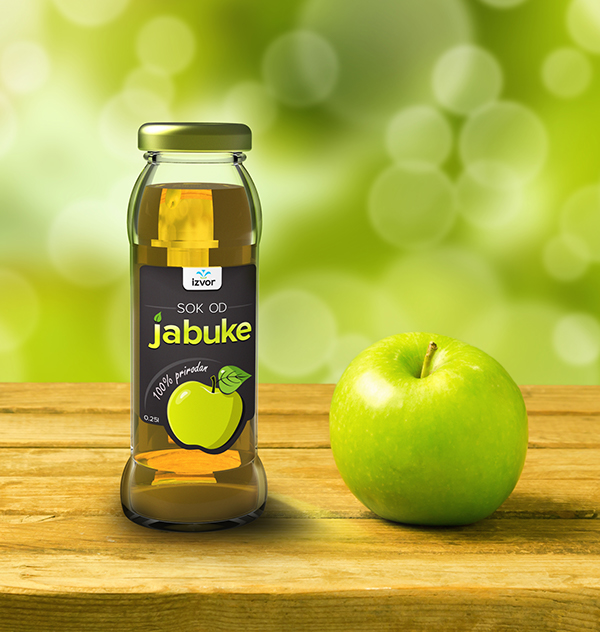
What Type of Drink You Prefer Says A Lot About You
Research has found that preference to juice or energy drinks for breakfast influences mood throughout the day.
Jumping Juice
Another study was conducted where people were offered a series of different breakfast drinks, including juices and energy drinks. Then, they were asked to choose their favorites. They each rated the drinks on a scale, 9 being the ones they preferred.
Participants were more likely to choose breakfast drink A if their emotions were positive, such as joy. They were more likely to choose another breakfast drink (B or C) if their emotions were negative, such as disappointment, or displeasure.
Flavored Emotions
Negative emotions had a greater impact than positive emotions, regardless of the flavor of the drink itself.
Negative emotions such as sadness have a profound impact on food choice.
 Why We Eat What We Eat